
Ask better questions before hiring a security installer, with Tampa specific details on licensing, placement, weather, wiring, and support.
By LogiBuilt · August 11, 2026 · 6 min read
By the time a homeowner starts vetting security installers, the basic questions are usually already answered. You know you want better visibility, better alerts, or a more reliable way to secure doors, gates, garages, and outdoor living areas. The harder question is whether the person walking your property understands Florida rules, Tampa weather, and the practical details that make a system useful after the first week. That is where a good conversation should go deeper than equipment and apps.
We see the same pattern on many Tampa Bay properties. The best security work starts with a careful walkthrough, not a quick equipment count. A lanai, pool cage, deep soffit, oak canopy, side yard gate, or detached garage can change the right approach. If you are comparing installers, the questions below will help you hear the difference between a simple sale and a system designed for your home.
A security installer should be able to explain what they look for before they talk about devices. We want to see how people actually enter the property, where service gates sit, and how the garage connects to the house. We also look at sightlines from the street, side yards, lanais, and back doors. A plan that ignores the way the home is used can look complete on paper and still miss the activity that matters.
In Tampa, the walkthrough also needs to account for sun, storms, and landscaping. Afternoon glare can wash out a view in one direction while the same location works well in the morning. Palms, oaks, and hedges grow into camera views faster than most homeowners expect. Pool cages and screened lanais can create reflections, obstructions, and mounting questions that are easy to miss without standing there in person.
Ask the installer to describe the weak points they noticed and why those points matter. You should hear specific observations about your home, not just a standard list of doors and corners. Good recommendations connect the security goal to the location, the mounting surface, the wiring path, and the way your family uses the space. That conversation gives you more value than a list of products by itself.
Licensing is not a side issue in Florida security work. Installing video surveillance cameras in Florida without a license is illegal. Florida professional installers must be licensed to comply with state and local laws. That matters because a security system touches privacy, wiring decisions, property access, and sometimes alarm related work.
Ask directly who is responsible for the licensed work on your project. You do not need a long speech, but you should get a clear answer. A qualified installer should be comfortable discussing compliance before any equipment is installed. The Certified Alarm Systems Contractor I exam is part of the Florida licensing path, so this is a real credentialing issue, not a formality.
This question is not about making the process uncomfortable. It is about protecting your home and making sure the work is handled the right way. A compliant installer understands that homeowners deserve clarity before walls, soffits, or exterior surfaces are touched. If the answer is vague, keep asking until you understand who is accountable for the security installation.
Camera and sensor placement in Florida is not just about coverage. It is about heat, humidity, wind driven rain, salt air near the coast, and sudden afternoon storms. A location that looks clean on a calm morning can become a problem during a summer downpour. We think through those conditions before we commit to a mounting point.
For cameras, the question is not only what they see, but what they will keep seeing over time. Tree growth, hanging plants, decorative lighting, and screen enclosures can all change the view. A camera aimed too loosely may capture motion that does not help you make a decision. A camera aimed too tightly may miss the approach path that explains what happened.
Ask the installer how they choose height, angle, and direction on your specific property. You should hear references to glare, entry paths, weather exposure, and access for future service. You should also hear when a location is not worth using, even if it seems convenient. Good placement is a tradeoff, and a serious installer will explain the tradeoff plainly.
A security system is only as helpful as the path between the device, the network, and the people using it. On a walkthrough, we pay attention to where wire runs can be made cleanly and where access will be difficult. Block walls, finished ceilings, attics, soffits, and outdoor surfaces all affect the plan. The cleanest looking finished job usually comes from thinking through access before installation day.
Ask how the installer plans to handle the parts you will never see after the work is done. That includes cable paths, device locations, power considerations, and how the system connects to your home network. It also includes how many zones or areas need to be treated differently. A front porch, side yard, garage, and lanai may all need different settings because they have different traffic and weather patterns.
Daily use should be part of the design conversation. If alerts are too frequent, people stop paying attention. If the app layout or arming routine is confusing, the system becomes a chore. We prefer to ask how the household moves through the home before deciding how notifications and access should be organized.
The handoff matters as much as the installation. A security system should be explained in plain language before the installer leaves. Homeowners should know how to arm and disarm, how to view activity, and what normal alerts look like. They should also know which settings are worth adjusting after living with the system for a short period.
Florida homes change with the seasons. Rain patterns shift, vegetation grows, and hurricane season can change how outdoor areas are used. A system that worked perfectly in one month may need small adjustments later. Ask how the installer handles fine tuning and what kind of support you can expect after the initial setup.
Also ask what is covered if something about the installation needs attention. At LogiBuilt, our work is warrantied for one year. That gives the homeowner a clear expectation for the workmanship side of the project. It also reinforces why the original walkthrough, placement, and installation decisions should be made carefully.
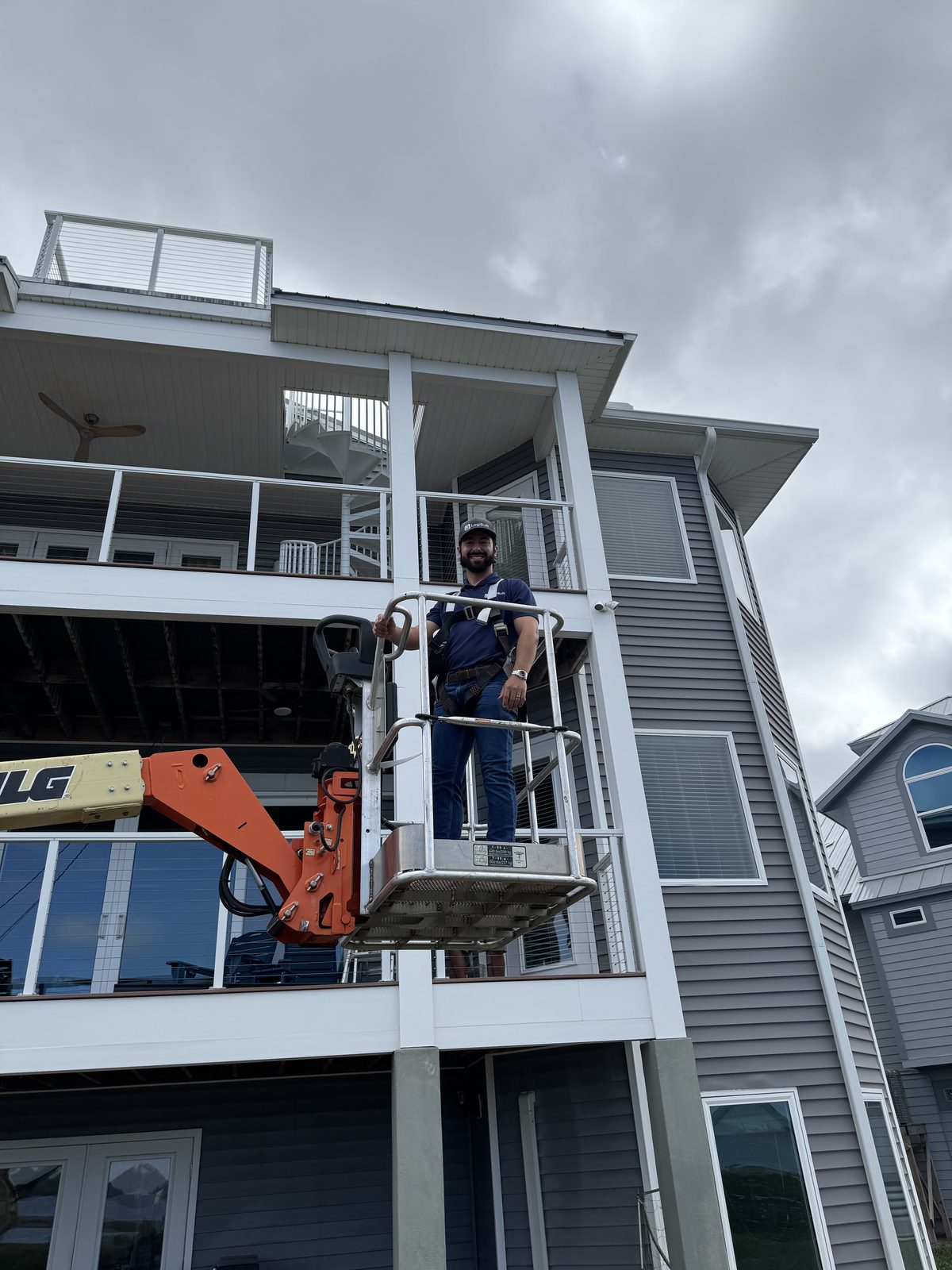
If you are deciding who to trust with your security system, we are happy to walk the property with you. LogiBuilt offers a free in-person walkthrough. We can look at your entries, camera locations, wiring paths, and Tampa specific concerns before you decide.
Yes. Installing video surveillance cameras in Florida without a license is illegal, and Florida professional installers must be licensed to comply with state and local laws.
Ask what the installer noticed about entries, side gates, garage access, lanais, landscaping, camera views, wiring paths, and weather exposure. The answer should be specific to your home.
Heat, humidity, salt air, afternoon storms, glare, and fast growing landscaping can all affect where cameras and devices should be placed. A good installer accounts for those conditions during the walkthrough.
The main drivers are device count, wiring access, number of zones, mounting surfaces, network needs, and how many areas of the property need different coverage or alerts.
Try our free lighting visualizer, see your home transformed in about a minute. No upload needed.
Free consultation, honest quote. Most estimates come back within one business day.
or call (813) 696-3168